


FURNITURE
Furniture Foreign Trade: The Global Journey of Home Furniture
The furniture industry is a major global industry and offers significant market potential for furniture manufacturers. Furniture foreign trade involves the buying and selling of furniture products between different countries and presents numerous opportunities and challenges. This article will examine the importance and dynamics of furniture foreign trade.
The Importance of Furniture Foreign Trade
Furniture foreign trade is important for many reasons:
Market Expansion: Furniture manufacturers can leverage foreign trade to reach a wider customer base beyond the domestic market. This allows them to grow their businesses.
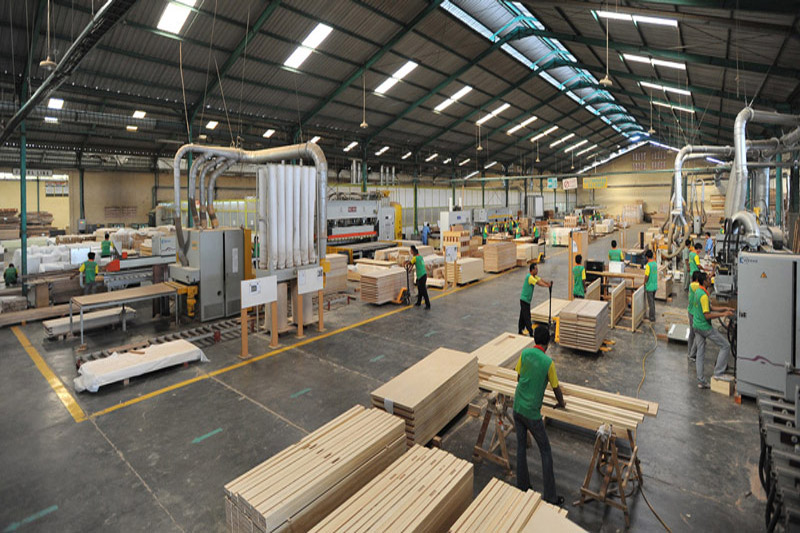

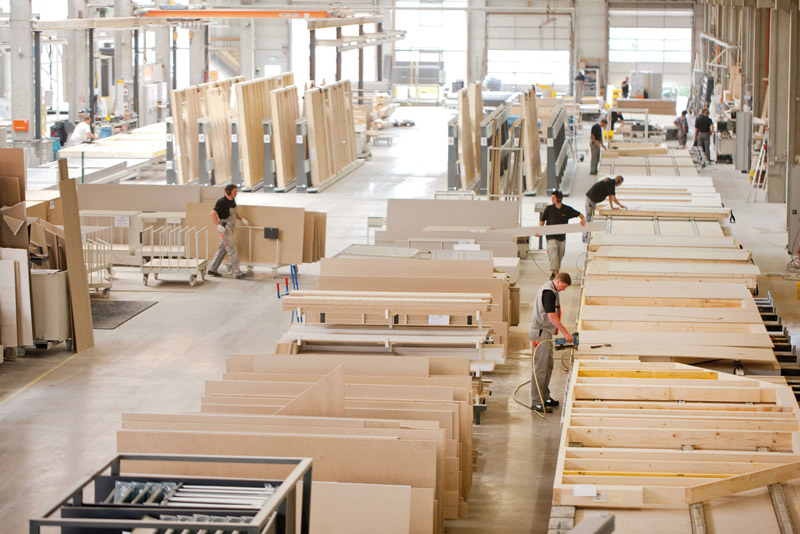
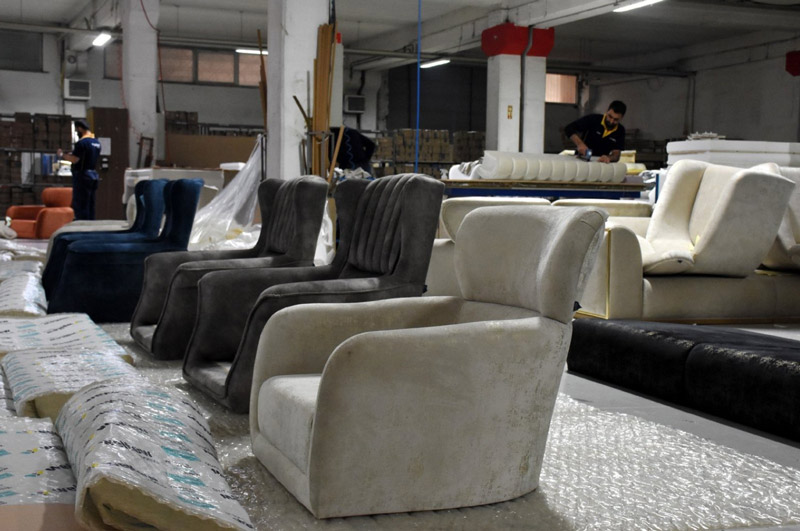
Material and Design Diversity: Given that the materials and design ideas required for furniture production can vary from country to country, foreign trade offers the opportunity to benefit from diverse sources and designs.
Cost-Effectiveness: Some countries may have a competitive advantage due to low labor costs or specialized furniture manufacturing expertise. Foreign trade provides an opportunity to leverage these advantages.
Opportunities and Challenges
Furniture foreign trade presents a range of opportunities and challenges:
Opportunities:
Global Market Access: Foreign trade allows furniture manufacturers to reach customers worldwide. This can increase sales and contribute to business growth.
Customization and Adaptability: Offers the ability to adapt to customer preferences in different markets and respond to specific orders.
Supply Chain Diversification: Having material and parts suppliers from different countries diversifies the supply chain and reduces risks.
Challenges:
Quality and Safety Standards: Furniture products must meet high quality and safety standards in most countries. This means that products need to be tested and certified.
Transportation and Logistics Challenges: Transporting large and heavy furniture can create logistical challenges and increase shipping costs.
Trade Barriers: Some countries may restrict foreign trade through customs tariffs, taxes, and regulations.
Furniture foreign trade offers significant potential for this large industry. Access to global markets, a variety of design and material options, and cost-effectiveness present attractive opportunities for furniture manufacturers. However, challenges such as compliance with quality standards, logistical difficulties, and trade barriers must also be considered. A successful furniture foreign trade strategy will be necessary to capitalize on these opportunities and overcome these challenges.