


AUTOMOTIVE
Automotive Parts Foreign Trade: Opportunities and Challenges in Global Markets
The automotive industry is a huge sector worldwide, and the need for high-quality parts for car manufacturers is constantly increasing. Therefore, the international trade of automotive parts is critical to this industry. This article will focus on some basic information about the global international trade of automotive parts.
Foreign Trade in Automotive Parts: Why is it Important?
Automobile manufacturers need a range of different parts to build their vehicles. Engines, transmissions, braking systems, electronic components, and more are just a few of these parts. However, not every country has the capacity to produce every type of part. Therefore, the foreign trade of automotive parts is necessary to compensate for these shortcomings and optimize production processes.


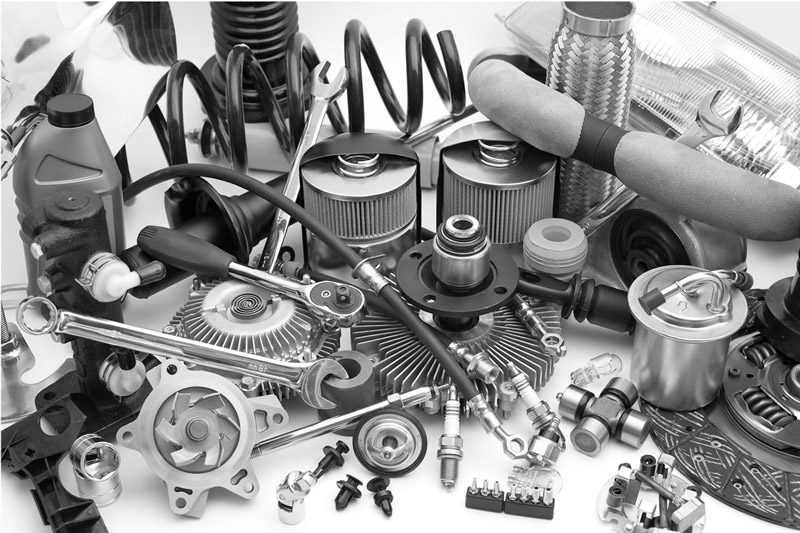
Opportunities and Challenges
The foreign trade in automotive parts offers great opportunities, but it also brings some challenges. Here are some of them:
Opportunities:
Global Market Access: Foreign trade in automotive parts helps companies reach global markets. This means they can grow their businesses and respond to demands in diverse regions.
Specialization: Some countries specialize in the production of specific automotive parts. Foreign trade allows for the exploitation of these specializations.
Competitive Advantage: Countries that can provide low-cost production can gain a competitive advantage.
Challenges:
Quality and Safety Standards: The automotive industry must adhere to high quality and safety standards. This means that imported parts must meet these standards.
Supply Interruptions: Sourcing from distant countries can lead to logistical challenges and affect production processes.
Trade Barriers: Some countries may restrict foreign trade through trade barriers, taxes, and regulations.
Trade in automotive parts is vital for the automotive industry. This trade can help optimize production processes and gain a competitive advantage by sourcing the best parts from different regions. However, the challenges this trade presents must also be considered and addressed with appropriate strategies